In today’s fast-paced world, the ability to perform CPR is not just a skill; it’s a critical requirement across various professions. Whether you are looking to embark on a new career path or enhance your existing role, CPR certification can be a valuable asset. This blog post will explore the top careers where CPR certification is not only beneficial but often necessary. By understanding the roles that demand this life-saving expertise, you can better navigate your career choices and ensure you’re prepared for emergencies.
Join us as we delve into the professions that prioritize CPR skills, highlighting the importance of being equipped to respond when it matters most. As you read on, consider how this certification could fit into your professional journey and open doors to new opportunities.
Essential Healthcare Jobs Requiring CPR Certification
As we continue to explore the intersection of career advancement and life-saving skills, it’s essential to focus on healthcare roles where CPR certification is a fundamental requirement. These professions not only demand a high level of competence in medical knowledge but also the ability to act swiftly in emergencies. Below, we outline five key healthcare jobs where CPR skills are indispensable.
1. Emergency Medical Technicians (EMTs)
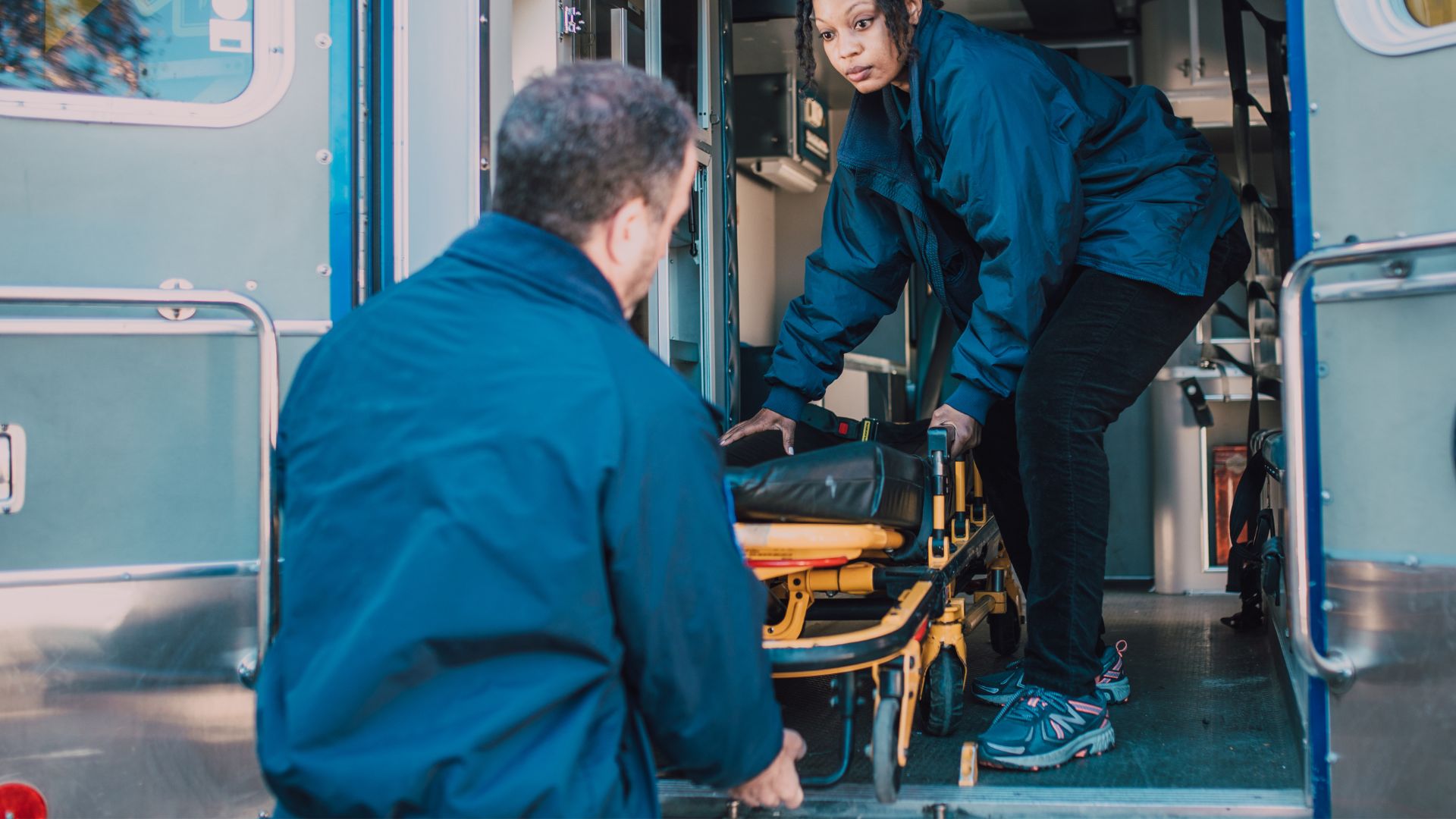
EMTs are often the first responders to medical emergencies, making their expertise in CPR crucial. These professionals need to quickly assess and stabilize patients, often employing CPR as a primary technique.
2. Registered Nurses
In both hospital and community settings, registered nurses must be prepared to perform CPR at a moment’s notice. Their role in patient care extends beyond routine tasks to include emergency response, highlighting the importance of CPR certification in their daily responsibilities.
3. Physicians
While physicians often oversee complex medical treatments, their ability to administer CPR can be critical, especially in scenarios where immediate intervention is required. This capability is integral to their comprehensive care delivery.
4. Paramedics
Paramedics possess advanced medical training and are frequently involved in high-stakes medical situations. Their proficiency in CPR is essential, as they provide care that bridges the gap between the scene of an emergency and hospital admission.
5. Respiratory Therapists
Specializing in the care of patients with breathing difficulties, respiratory therapists must be adept in performing CPR. Their role is vital in ensuring patients maintain airway patency and receive adequate ventilation, especially during cardiac emergencies.
Gaining CPR certification for these healthcare professions not only enhances your skill set but also empowers you to make a significant impact when every second counts. To explore CPR certification options, visit the American Red Cross for comprehensive training programs.
CPR Certification for Emergency Response Careers
Continuing from our discussion on healthcare roles requiring CPR certification, let’s expand our focus to encompass emergency response careers where this skill is equally indispensable. These professions demand not only readiness but also a high degree of expertise in performing life-saving measures under pressure. Whether you’re already in the field or considering a career change, understanding the importance of CPR in these roles can guide your professional development.
Firefighters
Firefighters are often the first on the scene during emergencies, and their role extends beyond combating fires. They are trained to handle medical emergencies, where CPR certification becomes crucial. Their rapid response and ability to deliver CPR can significantly impact survival rates, making this skill a vital component of their training.
Police Officers
While primarily responsible for enforcing the law, police officers frequently encounter scenarios requiring immediate medical intervention. CPR skills enable them to assist victims of accidents or sudden cardiac arrests until paramedics arrive, underscoring the importance of this certification in ensuring public safety.
Search and Rescue Personnel
In rescue missions, especially in remote or challenging environments, search and rescue teams must be prepared to provide immediate medical care. Their ability to perform CPR can be critical in stabilizing individuals during the crucial moments before they reach full medical facilities.
Coast Guard Members
Operating in maritime environments, Coast Guard members are often the first line of response in water-related emergencies. Their proficiency in CPR, coupled with rescue operations, is key to saving lives during critical incidents at sea.
For those aspiring to join these emergency response careers, acquiring CPR certification not only fulfills a job requirement but also equips you with the confidence to act decisively in life-threatening situations. Explore comprehensive CPR training programs at the American Red Cross to enhance your readiness for these challenging yet rewarding roles.
Childcare Professions Needing CPR Training
Building upon our exploration of essential CPR skills in healthcare and emergency response professions, it’s crucial to recognize the significant role CPR training plays in childcare settings. Those working in childcare not only nurture young minds but also ensure their safety and well-being. Here, we highlight key professions within this field where CPR certification is indispensable.
Childcare Providers
Childcare providers, whether in daycare centers or private homes, are responsible for the safety of children in their care. Immediate access to CPR skills can be the difference between a quick recovery and a tragic outcome, especially given the unpredictable nature of childhood accidents.
Preschool Teachers
In addition to education, preschool teachers play a pivotal role in maintaining a safe environment for young children. Their ability to perform CPR ensures they are prepared to handle emergencies, such as choking incidents or sudden cardiac events, with confidence and competence.
Nannies
Nannies often work independently, managing the daily care of children in private settings. CPR certification equips them with the necessary skills to respond effectively to emergencies, providing parents with peace of mind knowing their children are in capable hands.
School Nurses
While primarily focused on managing health conditions and injuries, school nurses must also be ready to perform CPR, especially in situations where children experience breathing difficulties or cardiac arrest. Their expertise is vital in bridging the gap before advanced medical help arrives.
For those pursuing a career in childcare, obtaining CPR certification is not just a professional requirement; it is an essential skill that enhances your ability to protect and save lives. To find suitable CPR training programs, consider the options available through the American Red Cross. By doing so, you ensure you’re fully prepared to meet the critical demands of childcare professions.
CPR Certification in Fitness and Wellness Careers
Continuing our journey through professions where CPR certification is vital, we turn our attention to the fitness and wellness industry. As these careers are focused on health promotion and physical activity, possessing the skills to manage sudden health emergencies is essential. Here, we explore key roles within this sector where CPR training enhances both professional credibility and client safety.
Personal Trainers
Personal trainers guide clients through fitness routines to achieve health goals. However, the physical exertion involved can sometimes lead to unforeseen medical issues, such as cardiac events. Having CPR certification equips trainers with the confidence and skill to respond swiftly, ensuring client safety during workouts.
Group Fitness Instructors
Group fitness instructors lead high-energy classes that require close monitoring of participants’ well-being. Whether teaching yoga or high-intensity interval training, instructors must be prepared to administer CPR in case of emergencies, safeguarding their participants’ health.
Wellness Coaches
While primarily focused on holistic health guidance, wellness coaches should also be ready to handle medical emergencies. CPR skills are a valuable addition to their repertoire, allowing them to provide comprehensive support to clients, both in preventive health and emergency care.
Recreation Center Staff
Recreation centers are hubs of physical activity, catering to diverse age groups and fitness levels. Staff members, often overseeing facilities and programs, need to possess CPR certification to address potential health emergencies promptly, ensuring a safe environment for all visitors.
Incorporating CPR certification into your fitness and wellness career not only enhances your skill set but also demonstrates a commitment to client and community safety. For those looking to expand their qualifications, consider enrolling in CPR training programs available through CPR Certification Columbus, where you can gain the necessary expertise to handle health emergencies with competence.
Final Thoughts On CPR Certification For Your Career
In the diverse landscape of professional careers, acquiring CPR certification stands out as a crucial component for those in healthcare, emergency response, childcare, and fitness industries. These fields demand not only expertise in specific job functions but also the readiness to act decisively during life-threatening situations. Whether you’re an EMT, a firefighter, a preschool teacher, or a personal trainer, CPR skills enrich your professional capabilities and enhance your ability to safeguard others.
As you consider your career trajectory, integrating CPR certification into your qualifications is a strategic move that underscores your commitment to safety and competence. For those ready to take the next step, explore comprehensive training options with reputable organizations like CPR Certification Columbus. By doing so, you not only fulfill an essential job requirement but also position yourself as a proactive leader capable of making a significant impact when it matters most.
Frequently Asked Questions
What careers require CPR certification?
CPR certification is essential across various professions, particularly in healthcare, emergency response, childcare, and fitness and wellness careers. Key roles include Emergency Medical Technicians (EMTs), Registered Nurses, Physicians, Paramedics, and Respiratory Therapists. In emergency response, Firefighters, Police Officers, Search and Rescue Personnel, and Coast Guard Members rely on CPR skills. Childcare positions such as Childcare Providers, Preschool Teachers, Nannies, and School Nurses also require this certification. In the fitness industry, roles like Personal Trainers, Group Fitness Instructors, Wellness Coaches, and Recreation Center Staff benefit from CPR training. For more on CPR courses, visit the American Red Cross.
How can obtaining a CPR certification benefit my career?
Obtaining a CPR certification can significantly enhance your career by equipping you with critical life-saving skills, making you more valuable and versatile in your role. It opens doors to new opportunities, particularly in fields like healthcare, emergency response, childcare, and fitness, where CPR is often a requirement. This certification not only boosts your professional credibility but also instills confidence in your ability to respond effectively during emergencies, thus enhancing workplace safety and potentially impacting lives. Explore CPR training options at the American Red Cross.
Why is CPR certification important for healthcare professionals?
For healthcare professionals, CPR certification is crucial as it equips them with the skills required to respond swiftly and effectively during cardiac emergencies. In roles such as EMTs, Registered Nurses, Physicians, Paramedics, and Respiratory Therapists, the ability to perform CPR can mean the difference between life and death. These professionals often encounter situations where immediate intervention is necessary, and CPR is a fundamental component of their emergency response toolkit. This certification ensures healthcare providers can deliver comprehensive and timely care.
When should I renew my CPR certification for my job?
CPR certification typically requires renewal every two years, though this can vary depending on the certifying body and specific job requirements. Regular renewal is important to ensure your skills and knowledge remain up to date with the latest guidelines and techniques. Staying current with your certification not only maintains your professional qualifications but also ensures you are fully prepared to handle emergencies effectively. For detailed information on renewal and available courses, visit American Red Cross or your specific certifying organization.