Becoming a parent changes everything, especially when it comes to safety. In a growing city like Columbus, where families are constantly on the move between homes, parks, daycare centers, and activities, emergencies can happen when you least expect them.
For parents of infants, the stakes are even higher. Babies are more vulnerable, less able to communicate distress, and more likely to experience breathing-related emergencies. That is why learning infant CPR and first aid is not just helpful. It is essential. Enrolling in an in-person CPR Certification course gives Columbus parents the hands-on experience and confidence needed to respond immediately when it matters most.
Why Infant CPR Is So Important for Parents
Infants have unique medical risks compared to older children and adults. Many life-threatening emergencies in babies begin with breathing problems rather than sudden cardiac issues.
Research shows:
- Infants have the highest rate of out-of-hospital cardiac arrest among children
- More than 20,000 children experience cardiac arrest each year in the U.S.
- Survival rates can be extremely low without immediate intervention
These statistics highlight a critical truth. When an emergency happens, the person closest to the child, usually a parent, is the one who must act first.
Most Emergencies Happen at Home
Many parents assume serious emergencies are rare or more likely to happen in hospitals. In reality, most occur at home.
According to national data:
- Over 350,000 cardiac arrests occur outside hospitals annually
- Nearly three out of four happen at home
For infants, this means parents and caregivers are almost always the first responders.
Common Infant Emergencies Parents Should Be Prepared For
Infants are naturally vulnerable due to their size and development. Everyday situations can quickly turn into emergencies.
Some of the most common include:
- Choking during feeding
- Breathing difficulties from illness
- Accidental suffocation or airway blockage
These situations can escalate rapidly, which is why immediate action is critical.
Why Timing Matters in Infant Emergencies
In any emergency involving breathing, the first few minutes are the most important.
Without oxygen:
- Brain damage can begin within minutes
- The situation can quickly become life-threatening
- Survival chances decrease with every delay
CPR helps maintain oxygen flow to the brain and vital organs until emergency responders arrive.
For infants, where breathing issues are often the root cause, this is especially important.
Essential First Aid Skills Every Columbus Parent Should Know
First aid is the first line of defense in many situations. It allows parents to stabilize their child before professional help arrives.
Key first aid skills include:
- Recognizing signs of breathing distress
- Responding quickly to choking
- Treating minor injuries like cuts or bumps
These skills can prevent a situation from becoming more serious.
How to Respond to Infant Choking
Choking is one of the most common emergencies in infants, especially during feeding.
Proper response includes:
- Delivering back blows
- Using chest thrusts if needed
- Avoiding techniques meant for adults
Learning these techniques in a hands-on environment ensures you can perform them correctly under pressure.
Why Infant CPR Is Different From Adult CPR
One of the biggest reasons parents need proper training is that infant CPR is not the same as adult CPR.
Infant CPR requires:
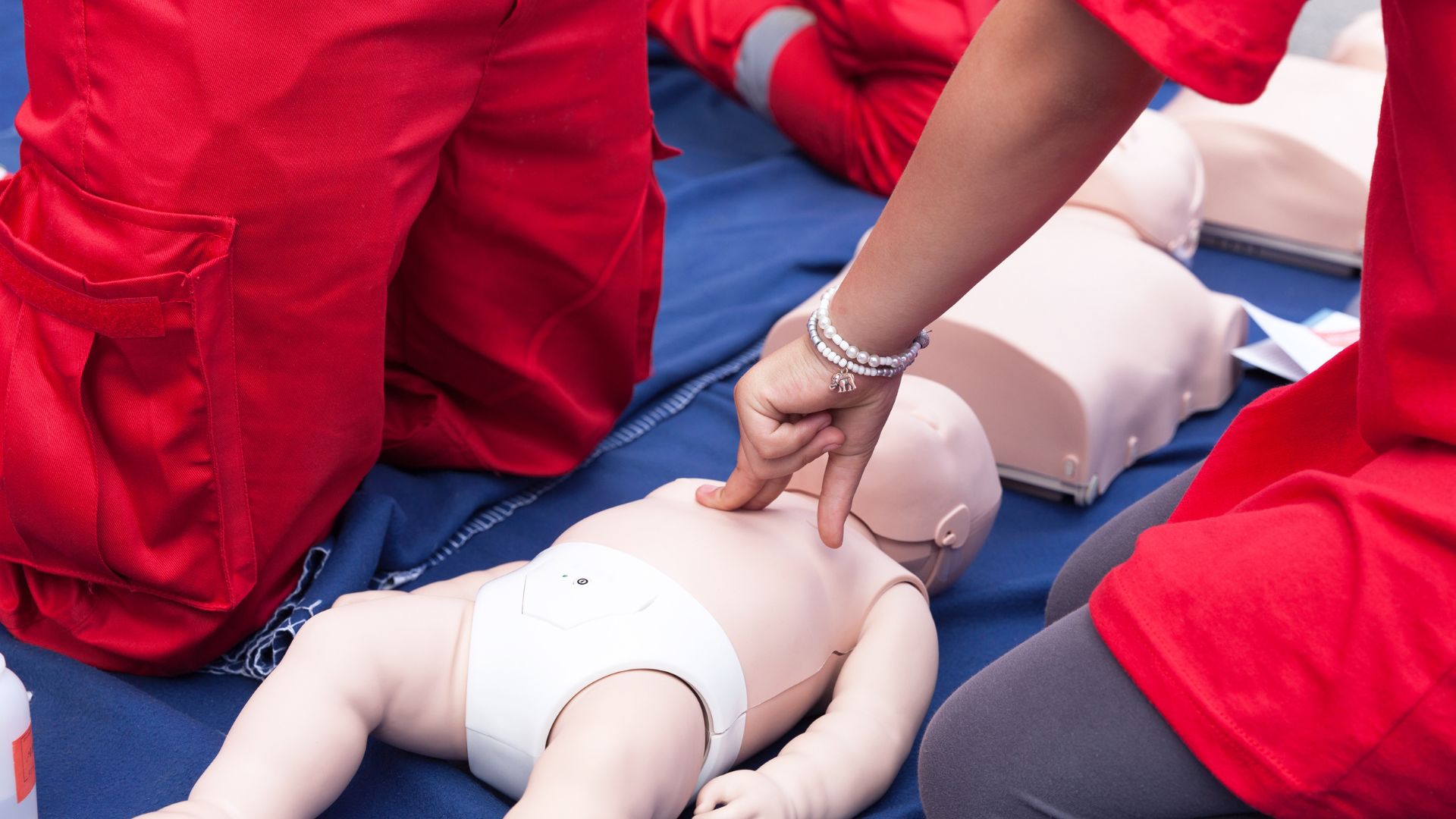
- Gentler compressions using two fingers
- Different positioning of the airway
- A stronger focus on rescue breaths
Using adult techniques on an infant can be ineffective or even harmful, which is why proper training is essential.
Why Hands-On Training Makes the Difference
Watching a video or reading instructions is not enough when it comes to CPR. It is a physical skill that requires practice.
In-person training allows you to:
- Practice on infant mannequins
- Learn proper technique and timing
- Receive immediate feedback from instructors
This builds muscle memory, so you can act quickly without hesitation.
Choosing an in-person CPR Certification course ensures you are truly prepared.
Confidence Is What Drives Action
One of the biggest barriers in emergencies is hesitation. Many parents want to help but feel unsure about what to do.
Training helps by:
- Building confidence through repetition
- Reinforcing correct techniques
- Preparing you for real-life scenarios
Studies show that CPR training improves both confidence and willingness to act in emergencies
Confidence is what allows parents to respond immediately instead of freezing in the moment.
Why Many Parents Feel Unprepared
Even though many parents have heard of CPR, fewer feel confident performing it.
Research shows:
- Many parents misunderstand proper CPR techniques
- Knowledge alone does not translate into action
- Hands-on experience is often lacking
This gap highlights the importance of formal, in-person training.
Columbus-Specific Considerations for Families
Columbus is a family-oriented city with busy neighborhoods, parks, and childcare environments. Parents often rely on multiple caregivers, including daycare staff, babysitters, and extended family.
This means:
- Emergencies can happen in different settings
- Multiple caregivers should be trained
- Consistency in response is important
Having CPR-trained parents and caregivers increases safety across all environments.
Who Should Be Trained in Your Household
Infant CPR training is not just for parents. Anyone who spends time with your child should know what to do.
This includes:
- Grandparents
- Babysitters
- Family members
The more people who are trained, the safer your child will be.
The Emotional Benefits of Being Prepared
Learning CPR and first aid does more than prepare you physically. It also provides peace of mind.
Studies have shown that CPR training:
- Reduces anxiety in parents
- Improves confidence in caregiving
- Helps families feel more secure
Knowing what to do allows you to focus on your child instead of worrying about the unknown.
Preventing Emergencies at Home
While training prepares you for emergencies, prevention is just as important.
Parents can reduce risks by:
- Supervising feeding and playtime
- Keeping small objects out of reach
- Following safe sleep guidelines
Preparation and prevention work together to keep infants safe.
Why CPR Training Benefits You Long-Term
CPR and first aid are not just skills for infancy. They are lifelong abilities that can be used in many situations.
Training helps you:
- Respond to emergencies at home or in public
- Assist others in need
- Feel more confident in unexpected situations
It is one of the most valuable skills any parent can learn.
Why In-Person Training Is the Best Choice
While online resources can provide basic knowledge, they cannot replace hands-on experience.
In-person training provides:
- Real-world practice
- Immediate feedback
- Greater confidence in emergencies
Choosing an in-person CPR Certification course ensures you are ready to act, not just aware of what to do.
Final Thoughts on Infant CPR & First Aid for Columbus Parents
Emergencies involving infants are unpredictable, but your response does not have to be. As a parent in Columbus, being prepared is one of the most important steps you can take to protect your child.
Infant CPR and first aid training give you the ability to act quickly, confidently, and effectively in life-threatening situations. They turn uncertainty into action and fear into preparedness.
By enrolling in an in-person CPR Certification course, you gain the skills and confidence needed to respond when every second counts. For Columbus families, that preparation can truly save a life.
Frequently Asked Questions About Infant CPR
When should I use infant CPR?
You should use infant CPR when a baby is unresponsive and not breathing or only gasping.
Is infant CPR different from adult CPR?
Yes, it uses gentler compressions and different techniques tailored for infants.
Can I learn infant CPR online?
Online courses provide basic knowledge, but hands-on training is needed for real emergencies.
How long does CPR certification last?
CPR certification typically lasts two years before renewal.
Who should learn infant CPR?
Parents, caregivers, and anyone who spends time with infants should be trained.
Why is infant CPR so important?
Infants are at higher risk for breathing-related emergencies, making immediate intervention critical.