Life in Columbus moves quickly. Between work, school, family responsibilities, and community events, most people are focused on their daily routines. Emergencies are rarely top of mind. Yet they can happen anywhere and without warning. A sudden cardiac event, a choking incident, or a serious injury can unfold in seconds, and the outcome often depends on how quickly someone nearby responds. That is why having CPR Certification is one of the most important steps Columbus residents can take to protect themselves and those around them.
Emergency preparedness is not about expecting the worst. It is about being ready if something does happen. With the right training, you can step in during those critical first minutes and provide life-saving care before emergency responders arrive.
Why Emergency Preparedness Matters in Columbus
Columbus is one of the fastest-growing cities in the Midwest. With busy neighborhoods, expanding suburbs, and a strong sense of community, people are constantly interacting in shared spaces. From parks and schools to offices and restaurants, emergencies can occur in any setting.
Being prepared means:
- Recognizing emergencies quickly
- Responding without hesitation
- Providing immediate care
- Supporting individuals until help arrives
For Columbus residents, these skills are practical and valuable in everyday life.
- Supporting individuals until help arrives
Understanding the First Few Minutes of an Emergency
In many emergencies, especially cardiac arrest, the first few minutes are the most critical. When the heart stops pumping effectively, oxygen flow to the brain is interrupted.
Without immediate intervention:
- Brain damage can begin within minutes
- Survival rates decrease rapidly
- Complications become more likely
Emergency responders work quickly, but even a short delay can affect outcomes. This is why bystander action is so important.
CPR helps:
- Complications become more likely
- Maintain blood circulation
- Deliver oxygen to vital organs
- Stabilize the individual
- Improve survival chances
For Columbus residents, understanding this timeline highlights the importance of being prepared.
- Improve survival chances
Common Emergencies That Require CPR and First Aid
Many emergencies occur during everyday activities. Being aware of these situations helps reinforce the need for training.
Common incidents include:
- Cardiac arrest at home or in public
- Choking during meals
- Falls and injuries
- Allergic reactions
- Burns from cooking or household accidents
- Sudden illness or unresponsiveness
Each of these situations requires a quick and appropriate response.
- Sudden illness or unresponsiveness
What CPR Certification Includes
CPR certification provides both knowledge and hands-on skills. Training is designed to prepare individuals for real-life emergencies.
Participants learn how to:
- Perform chest compressions
- Deliver rescue breaths
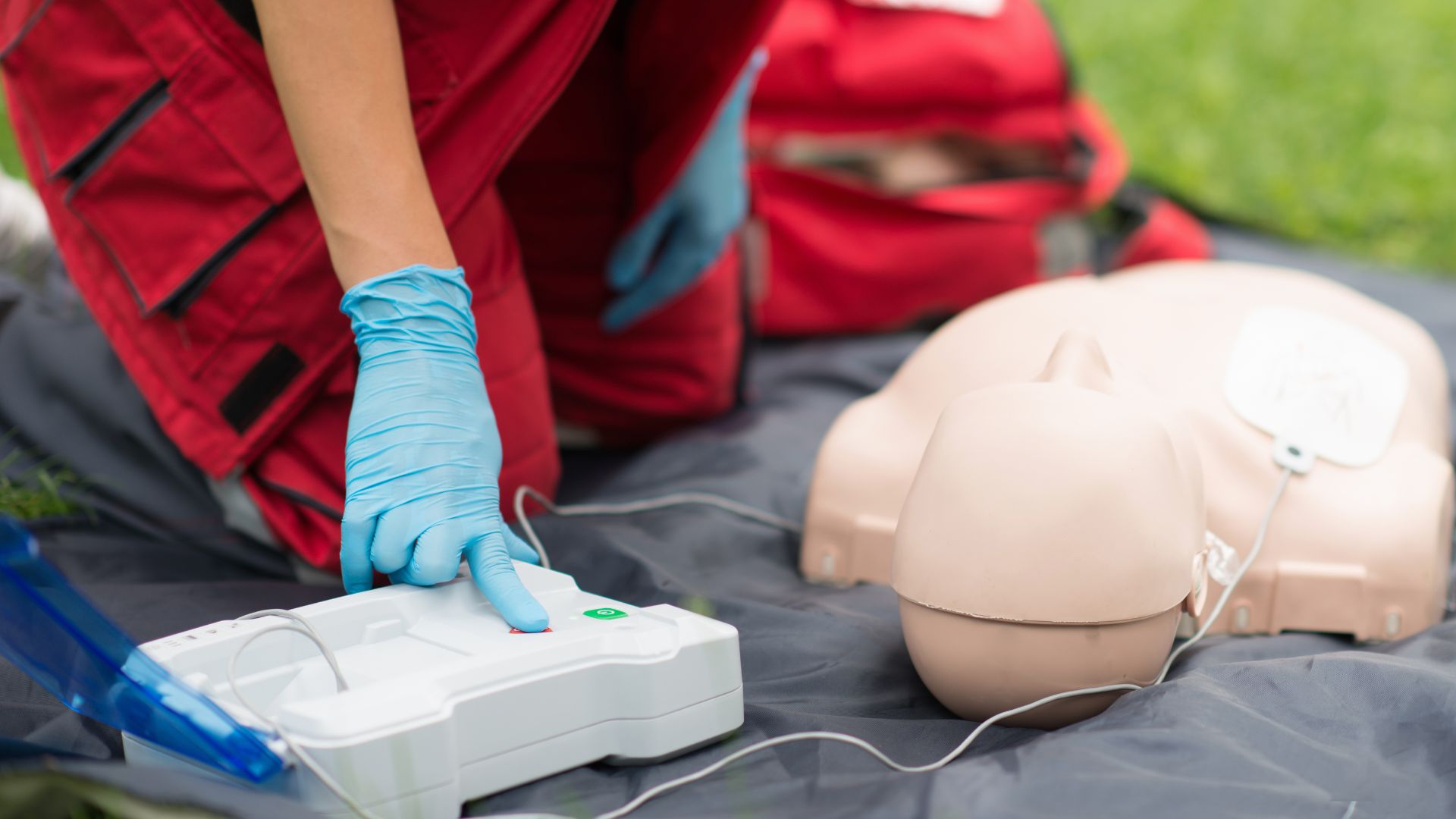
- Use an automated external defibrillator
- Respond to choking incidents
- Recognize signs of distress
- Apply basic first aid techniques
Hands-on practice is a key part of training, helping participants build confidence and muscle memory.
- Apply basic first aid techniques
Why Hands-On Training Makes a Difference
Reading about CPR is helpful, but hands-on practice is what truly prepares you for real situations. In-person training allows participants to practice techniques and receive feedback.
This helps:
- Improve accuracy
- Build confidence
- Develop muscle memory
- Prepare for real-life scenarios
For Columbus residents, this level of preparation ensures that skills can be applied effectively.
- Prepare for real-life scenarios
Overcoming Fear and Hesitation
One of the biggest barriers to helping in an emergency is fear. Many people worry about doing something wrong or making the situation worse.
CPR training helps overcome this fear by:
- Providing clear instructions
- Offering guided practice
- Building confidence
- Reinforcing proper techniques
It is important to remember that taking action is better than doing nothing.
- Reinforcing proper techniques
The Role of AEDs in Emergency Response
Automated external defibrillators are commonly found in public spaces throughout Columbus. These devices can restore a normal heart rhythm during cardiac arrest.
AEDs are designed to:
- Provide step-by-step instructions
- Analyze heart rhythm
- Deliver a shock if needed
- Guide users through the process
Using an AED along with CPR significantly increases the chances of survival.
- Guide users through the process
Who Should Get CPR Certification
CPR certification is valuable for everyone, not just healthcare professionals.
In Columbus, this includes:
- Parents and caregivers
- Teachers and school staff
- Office workers
- Fitness trainers
- Restaurant employees
- Community members
The more people who are trained, the safer the community becomes.
- Community members
How CPR Training Helps in Different Environments
Emergencies can happen in both private and public settings.
At home, CPR training helps protect family members and guests.
In public, it allows you to assist strangers who may need help.
Being prepared in both environments adds an extra layer of safety.
Creating a Culture of Preparedness
When more people in a community are trained in CPR, it creates a culture of preparedness.
This culture encourages:
- Awareness of potential risks
- Willingness to help others
- Confidence in emergency situations
- Stronger community connections
For Columbus, this approach can improve overall safety and support.
- Stronger community connections
How to Get CPR Certified in Columbus
Getting CPR certified is a straightforward process.
- Choose a CPR training program
- Select a class that fits your schedule
- Attend the training session
- Complete hands-on practice
- Receive certification upon completion
Many training providers in Columbus offer flexible scheduling options.
CPR Certification Cost in Columbus
The cost of CPR training can vary depending on the program and provider. Most courses are affordable and provide significant value.
For individuals, this is an investment in safety and preparedness.
Why Ongoing Training Is Important
CPR certification typically lasts for two years. Renewal ensures that skills remain current and effective.
Ongoing training helps:
- Maintain confidence
- Improve technique
- Stay aligned with guidelines
- Provide consistent care
For Columbus residents, staying up to date is essential.
- Provide consistent care
The Long-Term Benefits of CPR Certification
CPR certification provides benefits that extend beyond immediate emergencies.
These include:
- Increased confidence
- Greater awareness of safety
- Ability to help others
- Lifelong skills
For Columbus residents, this training is a valuable investment.
- Lifelong skills
Preparing for Emergencies Outside the Home
Emergencies are not limited to the home. They can happen at parks, schools, workplaces, and public events.
Having CPR training ensures that you are prepared wherever you are. This can make a difference not only for your family but also for others in the community.
Why Preparation Makes a Difference
Preparation ensures that you are ready to act when it matters most. Without training, it can be difficult to know what to do in an emergency.
CPR certification provides:
- Clear steps to follow
- Confidence in your abilities
- The ability to act quickly
- The potential to save a life
For Columbus residents, this preparation is invaluable.
- The potential to save a life
Final Thoughts About CPR Certification in Columbus
Emergencies can happen at any time, and being prepared is the best way to respond effectively. Getting CPR Certification ensures that you have the skills and confidence needed to act when it matters most.
In Columbus, where community and connection are important, having these skills helps create a safer environment for everyone.
CPR Certification FAQs
How long does CPR certification last?
CPR certification typically lasts for two years before renewal is required.
Can anyone learn CPR?
Yes, CPR training is designed for people of all backgrounds.
How long does a CPR class take?
Most CPR classes can be completed in a few hours.
Do I need CPR certification to help in an emergency?
No, but having certification improves your ability to respond effectively.
Can I get certified the same day?
Yes, many training programs offer same-day certification.