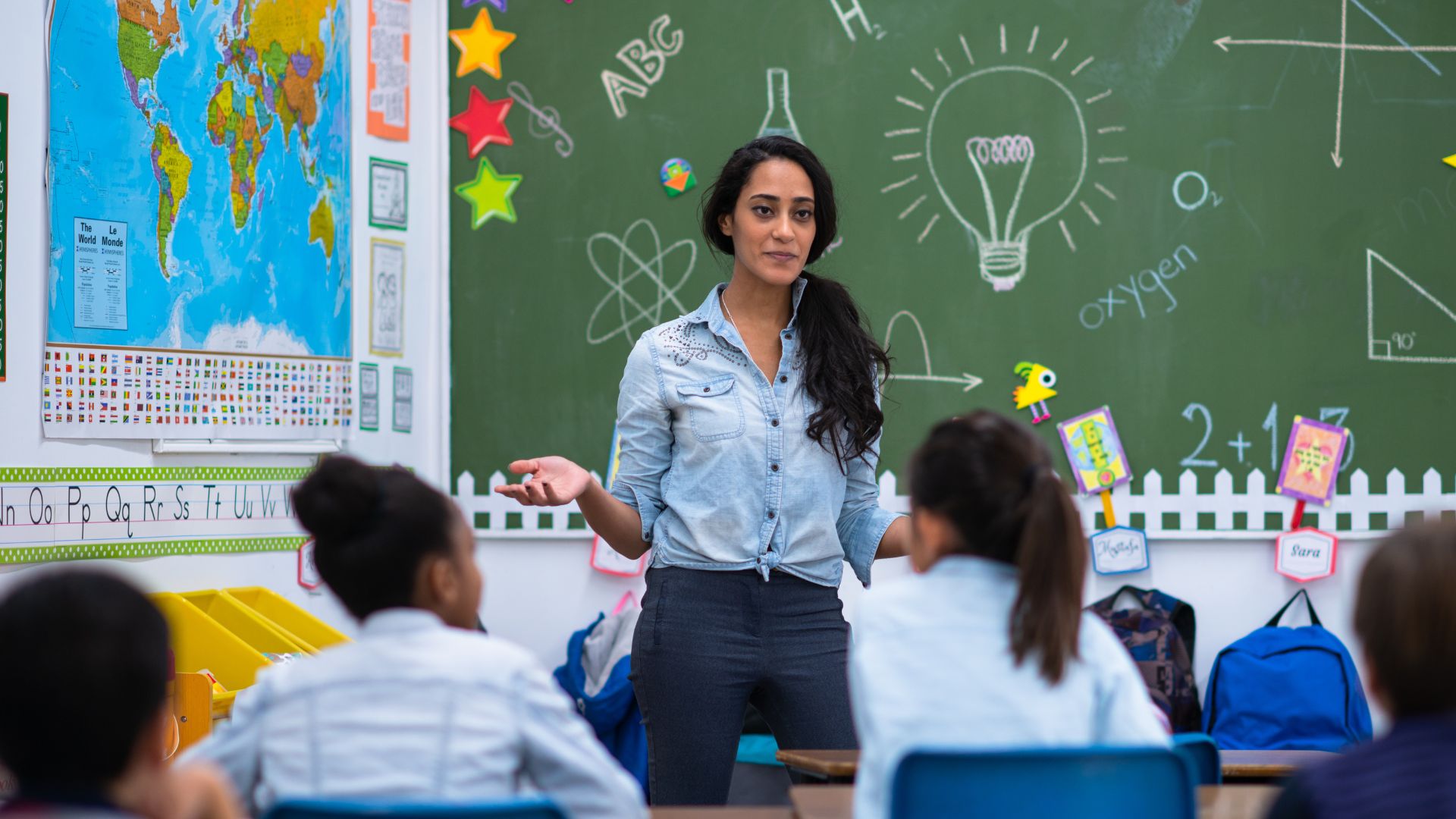
Schools are more than places of education. They are environments where students learn, grow, socialize, participate in activities, and spend a significant portion of their day. Teachers, administrators, coaches, aides, counselors, and support staff work together to create safe and productive learning environments that help students succeed both academically and personally.
While education remains the primary focus of schools, safety is always a top priority. Every day, school employees are responsible for supervising large groups of children and teenagers, many of whom have different medical needs, health conditions, and activity levels. Although most school days proceed without incident, emergencies can happen unexpectedly. When they do, teachers and staff members are often the first adults available to respond.
From classrooms and cafeterias to playgrounds, gymnasiums, athletic fields, and school buses, medical emergencies can occur in many different areas of a school campus. For this reason, many educators view emergency preparedness as an important part of their professional responsibilities. Completing a CPR Certification course can help teachers and school staff build confidence, improve preparedness, and strengthen their ability to respond when emergencies arise.
Why Emergency Preparedness Matters in Schools
Schools serve large populations of students every day.
Depending on the size of the campus, a school may include:
- Hundreds of students
- Dozens of teachers
- Administrative personnel
- Support staff
- Volunteers
- Parents and visitors
Because so many individuals gather in one location, schools must be prepared for a variety of situations that could occur during the school day.
Emergency preparedness helps staff members respond more effectively when unexpected situations arise.
Prepared employees contribute to safer learning environments for everyone.
Medical Emergencies Can Happen at Any Time
Medical emergencies are not limited to hospitals or healthcare facilities.
In schools, emergencies may occur during:
- Classroom instruction
- Physical education classes
- Athletic events
- Lunch periods
- School assemblies
- Field trips
- Recess
- After-school programs
Examples of emergencies may include:
- Cardiac emergencies
- Choking incidents
- Allergic reactions
- Asthma attacks
- Seizures
- Falls and injuries
- Heat-related illnesses
- Diabetic emergencies
Because teachers and staff are often closest to students when emergencies occur, preparation is especially important.
Teachers Are Often the First Adults to Respond
When a student experiences a medical emergency, teachers are frequently the first adults present.
They may be responsible for:
- Recognizing the emergency
- Contacting the school office
- Calling 911 when necessary
- Supervising other students
- Assisting until help arrives
- Communicating with administrators
Having a clear understanding of emergency response procedures helps reduce confusion during stressful situations.
Prepared educators often feel more confident when immediate action is required.
Columbus Schools Serve Diverse Student Populations
Schools throughout Columbus educate students from a wide variety of backgrounds and experiences.
Students may include:
- Young children
- Teenagers
- Students with medical conditions
- Students with disabilities
- Student athletes
- Participants in extracurricular activities
Because schools serve such diverse populations, staff members may encounter a wide range of health-related situations.
Preparedness helps educators support the needs of all students.
Why the First Few Minutes Matter
During a medical emergency, the first few minutes can be critical.
Emergency responders provide advanced care, but they must first receive notification and travel to the school.
During that time, school personnel may become responsible for:
- Identifying the emergency
- Activating emergency procedures
- Contacting appropriate personnel
- Providing assistance
- Directing responders
Having trained staff on campus helps improve overall preparedness and supports a coordinated response.
Choking Emergencies Are Common in Schools
Choking incidents can occur during:
- Lunch periods
- Classroom celebrations
- Snack times
- School events
Younger children may be especially vulnerable because they are still developing eating habits and may not always recognize hazards.
Prepared school personnel benefit from understanding how to identify choking emergencies and respond appropriately.
Awareness and preparedness help create safer environments during meal and snack times.
Allergic Reactions Require Immediate Attention
Many students attend school with food allergies and other medical conditions.
Common allergens may include:
- Peanuts
- Tree nuts
- Dairy products
- Eggs
- Soy
- Wheat
Schools often maintain health records and emergency action plans for students with known allergies.
Teachers and staff who understand emergency procedures can help support these plans and respond appropriately if a reaction occurs.
Preparedness helps reduce uncertainty during emergencies.
Asthma and Breathing Emergencies
Asthma remains one of the most common health concerns among school-aged children.
Triggers may include:
- Physical activity
- Seasonal allergies
- Respiratory illnesses
- Environmental conditions
Because breathing difficulties can escalate quickly, school personnel benefit from understanding warning signs and established response procedures.
Prepared staff members can respond more confidently while additional assistance is being arranged.
Student Athletes Face Additional Risks
Athletic programs are an important part of many schools throughout Columbus.
Students participate in:
- Football
- Basketball
- Soccer
- Baseball
- Volleyball
- Track and field
- Wrestling
- Cheerleading
Physical activity can occasionally contribute to medical emergencies or injuries that require immediate attention.
Coaches, athletic trainers, teachers, and support staff all benefit from understanding emergency response procedures.
Preparedness helps support safer athletic environments.
School Events Bring Large Crowds Together
Schools regularly host activities that attract students, parents, and community members.
Examples include:
- Sporting events
- Concerts
- Open houses
- Graduation ceremonies
- Fundraisers
- School performances
Large gatherings increase the number of individuals on campus and may increase the likelihood of encountering a medical emergency.
Prepared staff help support safer events by understanding emergency procedures and communication protocols.
CPR Training Helps Build Confidence
Many people hesitate during emergencies because they are unsure of what to do.
Common concerns include:
- Making mistakes
- Forgetting procedures
- Responding incorrectly
- Feeling overwhelmed
Training helps reduce these concerns by providing structured instruction and opportunities to practice emergency response skills.
Benefits often include:
- Increased confidence
- Better preparedness
- Improved awareness
- Greater familiarity with procedures
- Reduced hesitation
Confidence can play an important role during high-pressure situations.
Teamwork Is Essential in School Emergencies
School safety depends on collaboration among many individuals.
Emergency response may involve:
- Teachers
- Administrators
- Nurses
- Counselors
- Coaches
- Support staff
- School resource officers
When staff members understand their responsibilities, emergency response efforts often become more organized and effective.
Training helps strengthen communication and teamwork throughout the school community.
Building a Culture of Safety
The safest schools view preparedness as an ongoing process.
A strong safety culture often includes:
- Staff training
- Emergency drills
- Communication planning
- Safety reviews
- Ongoing education
- Leadership involvement
When preparedness becomes part of daily operations, schools are often better positioned to respond when emergencies occur.
This proactive approach benefits students, staff, and families.
Emergency Preparedness Extends Beyond the Classroom
Many teachers and school employees discover that emergency preparedness skills are valuable outside of work as well.
The knowledge gained through training may be useful during:
- Family activities
- Community events
- Sporting events
- Volunteer opportunities
- Travel
- Everyday life
Because emergencies can happen almost anywhere, preparedness remains a valuable skill both professionally and personally.
Why CPR Certification Supports School Safety in Columbus
Teachers and school staff play an important role in protecting the students entrusted to their care every day. While most school days focus on learning and growth, medical emergencies can occur unexpectedly. Being prepared to recognize and respond to these situations helps create safer environments for students, staff, and visitors. Completing a CPR Certification course helps educators improve confidence, strengthen preparedness, and develop valuable emergency response skills. As schools throughout Columbus continue to prioritize student safety, emergency preparedness remains an important part of supporting successful learning environments.
Frequently Asked Questions About CPR Certification for Teachers and School Staff in Columbus
Why should teachers learn CPR?
Teachers are often among the first adults present when a student experiences a medical emergency and may need to assist until additional help arrives.
What types of emergencies occur in schools?
Schools may encounter choking incidents, allergic reactions, asthma attacks, seizures, injuries, cardiac emergencies, and other medical situations.
Do school staff members benefit from CPR training?
Yes. Teachers, administrators, coaches, aides, counselors, and support staff can all benefit from emergency preparedness education.
Why is emergency preparedness important in schools?
Schools serve large numbers of students every day, making preparation essential for maintaining safe learning environments.
How does CPR training help educators?
CPR training helps improve confidence, strengthen preparedness, and increase familiarity with emergency response procedures.
Can CPR skills be useful outside of school?
Absolutely. Emergency preparedness skills can be valuable during family activities, community events, volunteer opportunities, travel, and everyday situations.