Life threatening emergencies can happen when people least expect them. Sudden cardiac arrest, choking incidents, and severe medical emergencies often occur without warning. In those critical moments, the actions taken by bystanders can determine whether a person survives until professional medical help arrives. For many individuals, the biggest barrier to helping in an emergency is uncertainty about what to do. Completing CPR Certification helps remove that uncertainty by teaching clear, practical steps for responding during medical crises.
In Columbus, communities are increasingly encouraging residents, workers, and caregivers to learn CPR so more people are prepared to assist during emergencies. CPR training does more than teach technical skills. It also helps individuals develop the confidence needed to act quickly when every second matters. When someone understands how to assess a situation, begin chest compressions, and call for help, they are far more likely to take action rather than freeze during a stressful event.
Learning CPR empowers individuals to respond calmly and effectively during life threatening situations.
Why Confidence Matters in Emergency Response
Many people witness medical emergencies but hesitate to step in because they are afraid of making a mistake. This hesitation can delay lifesaving care during the most critical moments.
During sudden cardiac arrest, the heart stops pumping blood effectively, which means oxygen is no longer reaching the brain and other vital organs. Brain damage can begin within minutes if circulation is not restored.
Confidence allows a bystander to respond quickly by:
- Calling emergency services
- Beginning chest compressions
- Using an AED if one is available
- Continuing care until emergency responders arrive
People who complete CPR Certification learn structured emergency response steps that make it easier to remain calm and focused under pressure.
How CPR Training Reduces Panic
Emergencies often create confusion and fear for people who are not prepared to handle them. CPR training helps individuals overcome this reaction by teaching them exactly what to do during different types of emergencies.
Training programs typically include step by step instruction on recognizing cardiac arrest, assessing breathing, and beginning chest compressions.
When people understand the correct response procedures, they are less likely to panic during emergencies. Instead of feeling overwhelmed, trained individuals are able to focus on the task of helping the person in need.
Practicing CPR techniques during training sessions also helps participants become more comfortable performing lifesaving actions.
Hands On Practice Builds Real Confidence
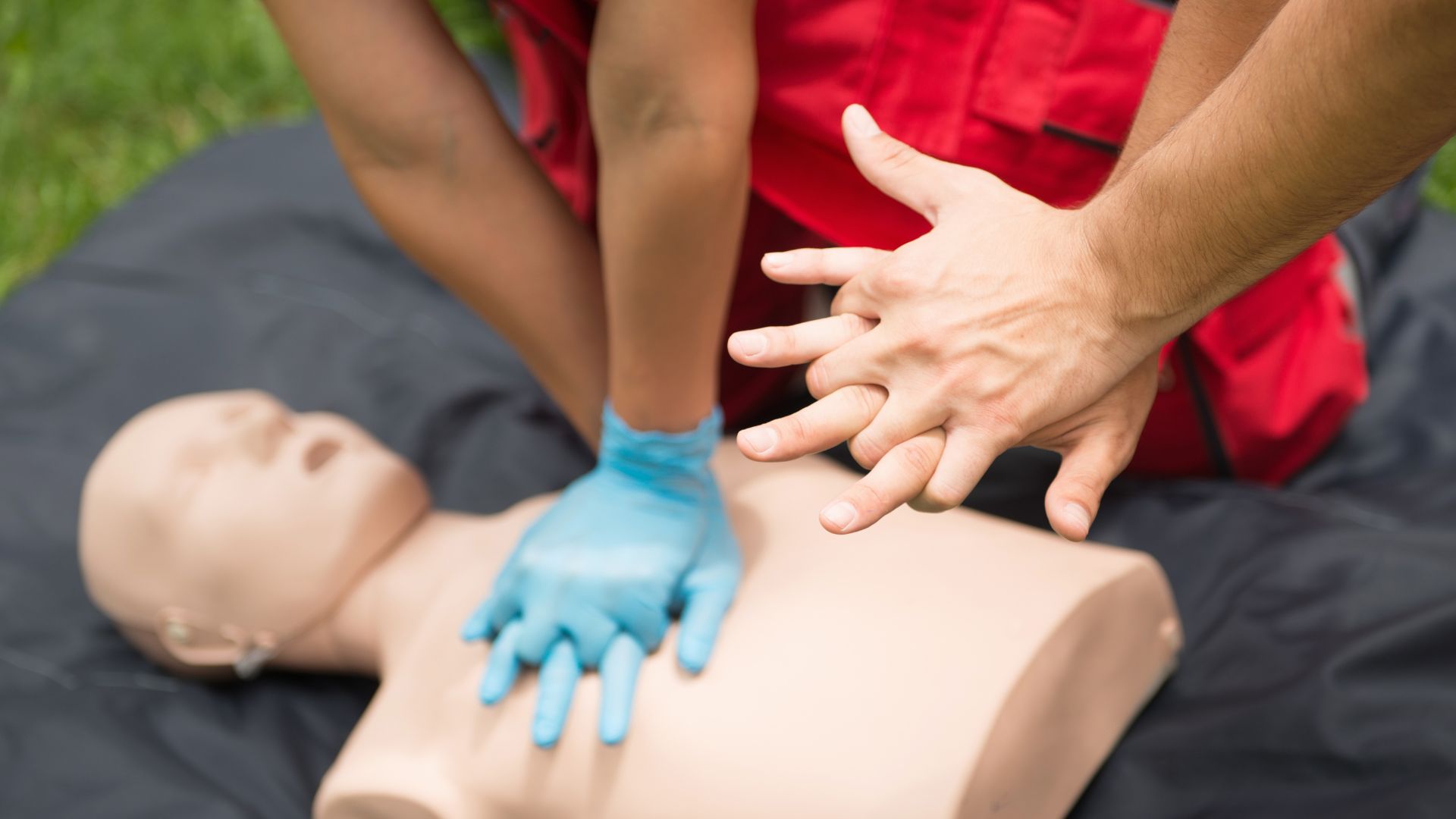
One of the most important parts of CPR training is hands on practice. During training sessions, participants practice performing chest compressions and rescue breathing on specialized mannequins.
This practical experience helps students develop muscle memory and understand the physical techniques required to perform CPR correctly.
Training instructors often guide participants through realistic scenarios so they can practice responding to emergencies in a controlled environment.
By the time students complete their CPR Certification, they have already practiced the skills needed to assist someone experiencing cardiac arrest.
This hands on experience plays a major role in building confidence.
Learning to Recognize Cardiac Emergencies
Another important aspect of CPR training is learning how to identify life threatening medical conditions. Many people hesitate during emergencies simply because they are unsure whether the situation is serious enough to require intervention.
CPR courses teach participants how to recognize warning signs such as:
- Sudden collapse
- Lack of breathing
- Unresponsiveness
- Absence of a pulse
Recognizing these signs allows trained individuals to begin CPR immediately rather than waiting for someone else to act.
Early intervention greatly improves the chances of survival during cardiac emergencies.
Understanding the Role of AED Devices
Automated external defibrillators play an important role in cardiac emergency response. These devices analyze heart rhythms and deliver an electrical shock when necessary to restore a normal heartbeat.
Many public places in Columbus such as schools, gyms, airports, and office buildings now keep AED devices available for emergencies.
CPR training programs teach participants how to operate AED equipment safely. These devices provide voice prompts that guide users through the process step by step.
Understanding how CPR and AED use work together helps individuals feel more confident responding during cardiac arrest situations.
Completing CPR Certification ensures that participants know how to combine both lifesaving techniques effectively.
Mental Preparedness During High Stress Situations
Confidence during emergencies is not just about knowing the technical skills. Mental preparedness is equally important.
CPR training encourages participants to remain calm and focused by following clear response steps. These steps provide structure during chaotic situations.
Many training programs emphasize the importance of:
- Taking a deep breath before acting
- Focusing on the immediate task
- Calling for help and directing others
- Continuing CPR until professionals arrive
Having a clear plan reduces stress and helps individuals maintain control during emergencies.
How Community Training Strengthens Emergency Response
When more members of a community are trained in CPR, the chances of someone being nearby who can assist during an emergency increase significantly.
Columbus has many workplaces, schools, and community programs that encourage CPR education. Training programs help create a network of individuals who are prepared to help when emergencies occur.
People who complete CPR Certification become part of this safety network, contributing to a community that is better prepared to respond during life threatening situations.
Encouraging CPR education throughout communities helps ensure that more people are ready to act when every second counts.
CPR Training Builds Leadership in Emergencies
During emergencies, someone must often step forward and take the lead until professional responders arrive.
CPR training helps individuals develop the leadership skills needed to guide others during critical moments. For example, a trained person may instruct someone else to call emergency services while beginning chest compressions.
Leadership during emergencies helps ensure that tasks are completed quickly and efficiently.
Participants who complete CPR training often feel more comfortable taking initiative during emergencies because they understand what needs to be done.
Overcoming Fear of Helping Others
A common reason people hesitate to assist during emergencies is fear of doing something wrong. CPR training helps address this fear by showing participants that taking action is far better than doing nothing.
In most cardiac arrest situations, immediate CPR dramatically increases survival chances compared to waiting for emergency responders to arrive.
Training helps individuals understand that providing assistance, even if it is not perfect, can make a critical difference.
Completing CPR Certification reassures participants that they have the skills needed to help others during emergencies.
Final Thoughts on Building Confidence with CPR Certification in Columbus
Confidence during life threatening emergencies comes from preparation, knowledge, and practice. When individuals understand how to recognize cardiac arrest and perform CPR, they are far more likely to step forward and help when someone needs assistance.
Completing CPR Certification provides the training necessary to remain calm, begin chest compressions, and coordinate emergency response efforts until medical professionals arrive. In Columbus, expanding CPR education throughout the community helps ensure that more people are prepared to respond when emergencies occur.
By learning CPR and developing confidence in emergency response skills, individuals gain the ability to protect the health and safety of those around them when every moment matters.
Frequently Asked Questions
Does CPR training help people stay calm during emergencies?
Yes. CPR training provides structured steps that help individuals remain focused and confident when responding to medical emergencies.
How does CPR certification build confidence?
Training includes hands on practice and realistic scenarios that help participants become comfortable performing lifesaving techniques.
Can CPR really make a difference before emergency responders arrive?
Yes. Immediate CPR helps maintain oxygen circulation to the brain and vital organs, increasing survival chances during cardiac arrest.
Who should consider learning CPR?
Anyone can benefit from CPR training, including parents, teachers, coaches, healthcare workers, and members of the general public.