Taking a CPR class is one of the most important steps a person can take to prepare for medical emergencies. Cardiopulmonary resuscitation is a lifesaving skill that helps maintain blood circulation and oxygen flow when someone experiences sudden cardiac arrest or stops breathing. In those critical moments before emergency responders arrive, the actions of nearby bystanders can make a life saving difference. Completing CPR Certification equips individuals with the knowledge and practical skills needed to respond during these situations.
For residents of Columbus, CPR training classes are widely available and designed for people from all backgrounds. Whether certification is required for work, volunteer activities, or personal preparedness, CPR courses are structured to teach participants exactly how to respond during emergencies. If you are preparing to attend your first CPR class, understanding what to bring and what to expect can help you feel more comfortable and confident when you arrive.
With the right preparation, you can focus on learning the techniques that may one day help save someone’s life.
Why CPR Certification Is Important
Sudden cardiac arrest occurs when the heart suddenly stops pumping blood effectively. When this happens, oxygen stops reaching the brain and vital organs. Without immediate assistance, brain damage can begin within minutes.
CPR helps maintain blood circulation through chest compressions and rescue breathing until professional medical help arrives.
Learning CPR allows individuals to:
- Recognize signs of cardiac arrest
- Begin chest compressions quickly
- Provide rescue breaths when necessary
- Use an automated external defibrillator (AED)
- Assist during choking emergencies
People who complete CPR Certification gain the training needed to respond confidently during these life threatening situations.
What to Bring to Your CPR Class
Most CPR training providers supply all of the equipment needed for instruction. Participants typically do not need to bring specialized medical tools or materials.
However, bringing a few basic items can help make your training experience more comfortable and organized.
Recommended items include:
- A valid photo ID for course registration
- Confirmation of your class enrollment
- Comfortable clothing that allows easy movement
- A notebook and pen for notes
- Water or a small snack if the course lasts several hours
Because CPR training involves practicing chest compressions and other physical techniques, comfortable clothing is especially helpful.
Arriving with these simple items ensures you are prepared to focus on the training itself.
What Happens During CPR Certification Training
CPR courses are designed to combine instruction with practical experience. Certified instructors guide participants through the process of recognizing emergencies and performing lifesaving techniques.
A typical class includes several key components.
Emergency Recognition Training
Participants learn how to recognize cardiac arrest, breathing emergencies, and choking situations.
Instructor Demonstrations
The instructor demonstrates proper CPR techniques before students begin practicing.
Hands On Practice
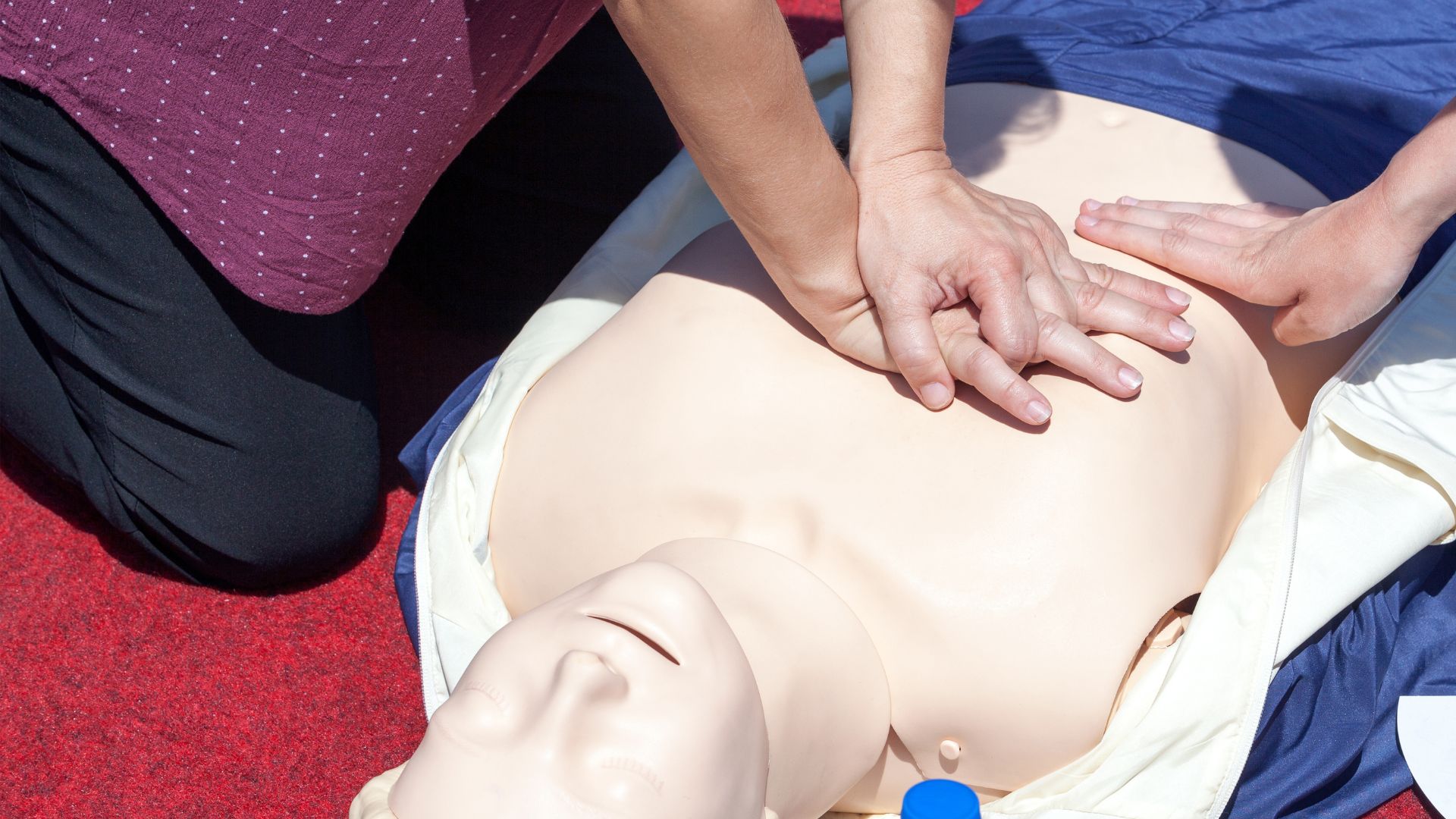
Participants practice chest compressions and rescue breathing on training mannequins.
AED Instruction
Students learn how to use automated external defibrillators safely during emergencies.
These lessons help ensure that individuals who complete CPR Certification understand both the theory and the practical skills required for effective emergency response.
Understanding Hands On CPR Practice
Hands on training is the most important part of CPR certification courses. During this portion of the class, participants practice performing chest compressions and rescue breaths on specially designed mannequins.
These mannequins simulate the resistance of the human chest so students can learn the correct compression depth and rhythm.
Instructors often guide participants through multiple practice scenarios to help them develop confidence performing CPR. Students may also practice coordinating chest compressions with AED use.
This practical experience helps participants feel prepared to respond if a real emergency occurs.
How Long CPR Certification Classes Take
The length of CPR classes can vary depending on the type of course being offered. Many basic CPR and AED certification classes last between two and four hours.
Courses designed for healthcare professionals or those that include additional training such as first aid or Basic Life Support may take longer.
Some training providers offer blended learning options that allow participants to complete part of the course online before attending an in person skills session.
Regardless of the format, the goal of the class is to ensure participants fully understand the skills needed to complete CPR Certification.
Who Should Get CPR Certified
Although CPR training is required for some professions, it is valuable for almost anyone.
People who commonly pursue CPR certification include:
- Healthcare professionals
- Teachers and school staff
- Childcare providers
- Coaches and athletic trainers
- Personal trainers and fitness instructors
- Lifeguards and recreation staff
- Parents and caregivers
Even individuals who do not need certification for their jobs often choose to learn CPR simply to be prepared during emergencies.
Tips for Getting the Most Out of Your CPR Class
Preparing properly can help you gain the most from your CPR training experience.
Helpful tips include:
Arrive Early
Getting to the class early allows time to check in and settle before training begins.
Stay Engaged
Listen carefully to instructions and watch demonstrations closely.
Practice the Techniques
Take hands on practice seriously so you build muscle memory.
Ask Questions
Instructors are there to help clarify any part of the training that may seem confusing.
Following these tips can help ensure you leave the class feeling confident about your CPR skills.
CPR Training Opportunities in Columbus
Columbus offers many CPR training options through community organizations, hospitals, and professional training centers. Classes are available for individuals, workplaces, and community groups throughout the city.
Training providers often offer:
- Daytime and evening classes
- Weekend training sessions
- Group training for businesses and organizations
- Certification courses for healthcare professionals
These flexible options make it easier for residents to obtain CPR Certification without disrupting their daily schedules.
Expanding CPR education throughout the community helps ensure that more people are prepared to respond during emergencies.
The Value of Being Prepared
Medical emergencies often occur without warning. When someone nearby experiences cardiac arrest or stops breathing, immediate assistance can dramatically improve survival chances.
People who complete CPR training become valuable members of their community because they have the skills needed to assist during critical moments.
Knowing that you are prepared to help someone during an emergency can also provide a sense of personal confidence and responsibility.
Learning CPR is a simple but powerful way to contribute to the safety of the people around you.
Final Thoughts on Preparing for CPR Certification in Columbus
Attending a CPR class is an important step toward becoming prepared for life threatening emergencies. By understanding what to bring and what to expect, participants can approach training with confidence and focus. From learning how to recognize cardiac arrest to practicing chest compressions and AED use, CPR certification courses provide practical skills that can help save lives.
Completing CPR Certification equips individuals with the knowledge needed to respond quickly and effectively during emergencies. In Columbus, where communities value preparedness and safety, CPR training helps ensure that more residents are ready to step forward when someone needs help.
With the right preparation and active participation during your training, CPR certification can become one of the most valuable skills you ever learn.
Frequently Asked Questions
Do I need prior experience to attend a CPR class?
No. CPR classes are designed for beginners as well as individuals renewing their certification.
What should I wear to CPR certification training?
Comfortable clothing that allows you to move easily is recommended because you will practice chest compressions during the course.
How long does CPR certification last?
Most CPR certification cards remain valid for two years before renewal is required.
Is CPR training physically demanding?
CPR training requires practicing chest compressions, which involves some physical effort, but instructors provide guidance to help participants use proper technique.