Medical emergencies often happen without warning. A person may suddenly collapse at work, while shopping, during a sporting event, or even while spending time with family at home. In many of these situations, emergency medical services are only minutes away, but those first few minutes are often the most critical.
When someone experiences sudden cardiac arrest, immediate bystander CPR can help keep oxygen-rich blood flowing to the brain and vital organs until professional help arrives. Without intervention, survival chances decrease rapidly with every passing minute.
Through CPR Certification, Columbus residents can gain the hands-on skills and confidence needed to step in during these life-threatening situations. The American Heart Association reports that immediate bystander CPR can double or even triple a person’s chance of survival following sudden cardiac arrest. American Heart Association
Learning CPR means being prepared to make a difference when every second counts.
What Is Sudden Cardiac Arrest?
Sudden cardiac arrest occurs when the heart unexpectedly stops beating effectively due to an electrical malfunction.
Unlike a heart attack, which is caused by blocked blood flow to the heart muscle, cardiac arrest causes the heart to stop pumping blood throughout the body.
Common signs include:
- Sudden collapse
- Loss of consciousness
- No normal breathing
- No detectable pulse
Without immediate CPR, oxygen delivery to the brain and vital organs quickly stops.
Why Every Minute Matters
Time is one of the most important factors during a cardiac emergency.
After sudden cardiac arrest:
- Brain damage can begin within minutes.
- Vital organs stop receiving oxygen.
- Survival chances decrease rapidly without intervention.
Emergency responders work hard to arrive as quickly as possible, but they cannot always be on the scene immediately.
Bystander CPR helps bridge the gap between the onset of the emergency and the arrival of advanced medical care.
Most Cardiac Arrests Happen Outside of Hospitals
Many people assume cardiac emergencies happen primarily in healthcare settings, but that is not the case.
Sudden cardiac arrest can occur:
- At home
- At work
- In restaurants
- At sporting events
- In shopping centers
- At schools
- In parks
- During community events
Because these emergencies often happen in public places, ordinary people are frequently the first ones available to help.
Bystanders Become the First Responders
When someone collapses, family members, coworkers, friends, or even complete strangers often become the first people on the scene.
A CPR-trained bystander can:
- Recognize the emergency
- Call 911
- Begin chest compressions
- Direct others to help
- Locate an AED if available
- Continue CPR until paramedics arrive
Quick action during those first few moments can make an enormous difference.
CPR Helps Maintain Blood Flow
CPR does not restart the heart by itself in most situations.
Instead, effective chest compressions help:
- Circulate oxygen-rich blood
- Support brain function
- Deliver oxygen to vital organs
- Buy valuable time until advanced treatment arrives
Maintaining circulation during those critical minutes gives the victim a better chance of survival.
AEDs Work Together With CPR
Automated External Defibrillators are becoming increasingly common throughout Columbus.
AEDs can often be found in:
- Schools
- Office buildings
- Shopping centers
- Airports
- Fitness facilities
- Community centers
- Sports venues
CPR classes often include instruction on how to:
- Turn on the AED
- Apply the pads correctly
- Follow voice prompts
- Resume CPR after treatment
Quick CPR combined with early AED use offers one of the strongest opportunities for survival during sudden cardiac arrest.
Training through CPR Certification helps participants become comfortable using this life-saving equipment.
Cardiac Emergencies Can Affect Anyone
Many people associate cardiac arrest with older adults, but it can affect individuals of all ages.
Possible contributing factors include:
- Heart disease
- Congenital heart conditions
- Electrical abnormalities
- Severe trauma
- Drowning
- Drug overdose
- Extreme physical exertion
Because these emergencies are unpredictable, having more CPR-trained individuals throughout the community is incredibly valuable.
Most People Feel Unprepared
One of the biggest reasons bystanders hesitate during emergencies is fear.
Common concerns include:
- Hurting the victim
- Forgetting the proper steps
- Panicking under pressure
- Doing something incorrectly
Hands-on CPR classes help reduce these fears by allowing participants to repeatedly practice emergency scenarios.
The more experience people gain during training, the more likely they are to step forward and help.
Hands-On Training Builds Confidence
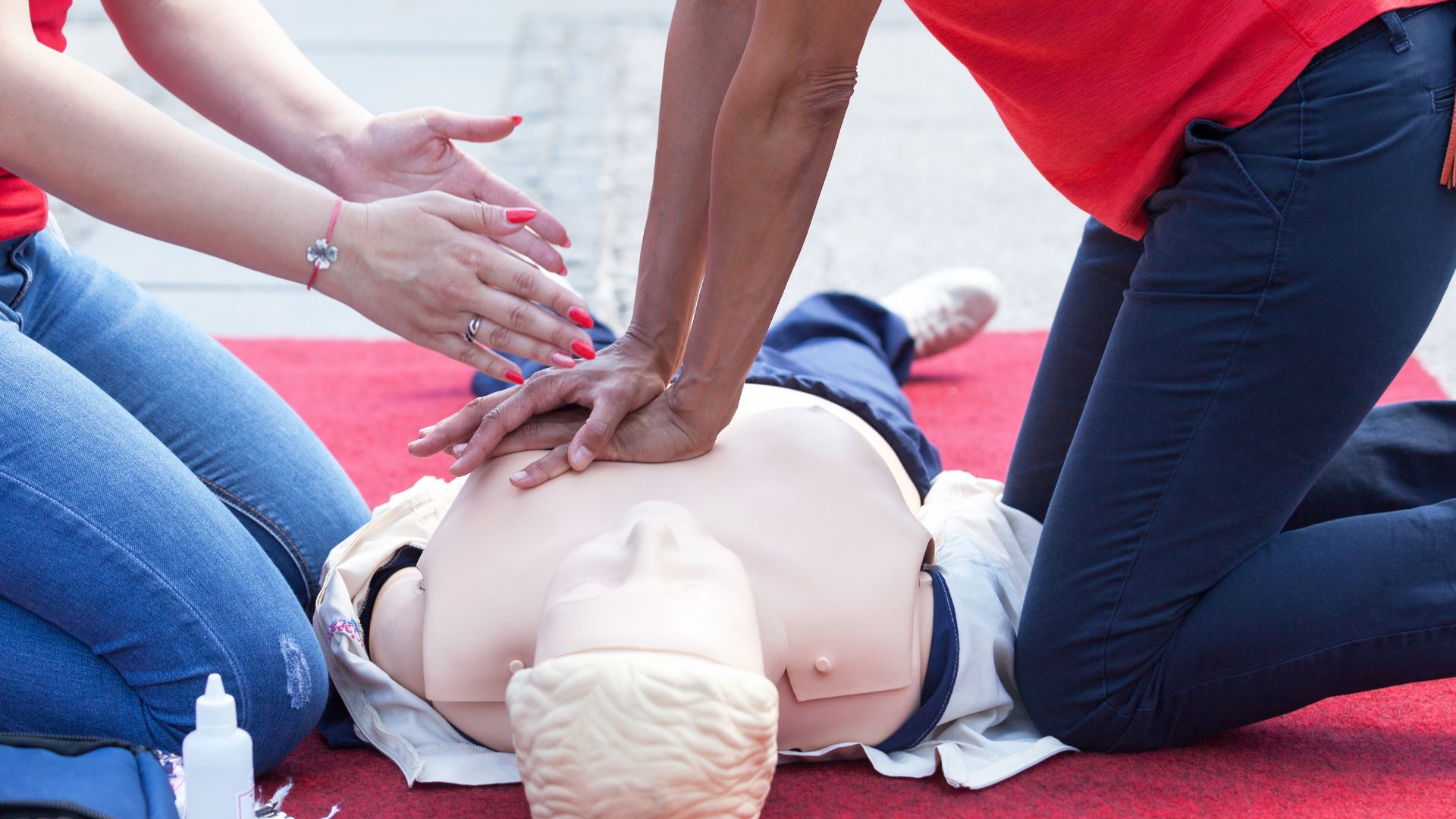
Reading about CPR online can introduce the basics, but practical experience provides much greater preparation.
Hands-on classes allow students to practice:
- Chest compressions
- Rescue breathing
- AED operation
- Emergency scene assessment
- Victim evaluation
Many participants are surprised by the amount of force needed to perform effective compressions.
Training through CPR Certification helps build the confidence and muscle memory needed during real emergencies.
Families Benefit From CPR Training
Many cardiac emergencies happen inside the home.
Parents, spouses, grandparents, and adult children are often the first people available when a loved one experiences sudden cardiac arrest.
Learning CPR helps families prepare to protect:
- Parents
- Grandparents
- Children
- Spouses
- Friends
- Neighbors
Many Columbus families choose to complete CPR training together so multiple household members know how to respond.
CPR Skills Extend Beyond Cardiac Arrest
Many CPR courses also cover additional emergency situations.
Participants often learn how to respond to:
- Choking incidents
- Drowning emergencies
- Respiratory distress
- Severe allergic reactions
These skills help individuals prepare for a variety of emergencies they may encounter throughout everyday life.
Community Preparedness Saves Lives
Every person who learns CPR strengthens the community’s emergency response network.
As more Columbus residents become CPR certified:
- Families become safer.
- Workplaces improve preparedness.
- Schools strengthen emergency response.
- Public spaces gain additional protection.
A single trained bystander can make a life-changing difference during a medical emergency.
Hands-On Learning Improves Long-Term Retention
Physical practice helps people remember life-saving skills more effectively than simply reading about them.
Hands-on CPR classes allow participants to:
- Practice repeatedly
- Receive instructor feedback
- Correct mistakes
- Build muscle memory
- Strengthen confidence
Months or even years later, these practical experiences are often easier to recall during an actual emergency.
Final Thoughts About Immediate Bystander CPR
Sudden cardiac arrest can happen anywhere and to anyone. In those first critical minutes before emergency responders arrive, ordinary people often become the first line of defense. Immediate bystander CPR helps maintain blood circulation, supports vital organs, and gives victims a better chance of survival.
Through CPR Certification, Columbus residents can gain the hands-on skills and confidence needed to act quickly during life-threatening emergencies. Learning CPR is not simply about earning a certification. It is about being prepared to help a family member, friend, coworker, neighbor, or even a complete stranger when every second matters.
Frequently Asked Questions About Immediate Bystander CPR
What is bystander CPR?
Bystander CPR is CPR performed by a witness or nearby person before professional emergency responders arrive.
Why is immediate CPR so important?
Immediate CPR helps maintain blood circulation and oxygen delivery to the brain and vital organs during sudden cardiac arrest.
What is the difference between a heart attack and cardiac arrest?
A heart attack is caused by blocked blood flow to the heart, while sudden cardiac arrest occurs when the heart unexpectedly stops beating effectively.
Does CPR restart the heart?
CPR primarily helps circulate blood and oxygen throughout the body until advanced medical treatment and defibrillation can be provided.
What is an AED?
An Automated External Defibrillator is a portable device that analyzes heart rhythms and can deliver a life-saving shock during certain cardiac emergencies.
Does CPR training include AED instruction?
Yes. Most comprehensive CPR courses include hands-on AED training.
How long does CPR certification usually last?
Most CPR certifications remain valid for two years before renewal is recommended or required.
Can ordinary people perform CPR?
Absolutely. CPR classes are designed to teach everyday individuals how to respond confidently during medical emergencies.